AGP Executive Report
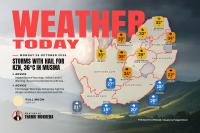
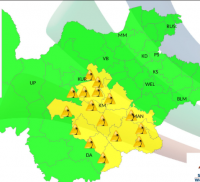
Last update: 11 hours agoExtreme Weather: The WMO warns El Niño could reach unprecedented strength, bringing more extreme weather and threatening food security. East Africa faces heightened flood risk, while drier conditions could hit southern Africa’s crops and water supplies; the UN also warns flooding could displace more than 874,000 people in Somalia. Severe-thunderstorm warnings are in place for parts of KwaZulu-Natal and the Eastern Cape. Water and Sanitation: Poor water quality has been linked to illness among more than 500 people in South Africa, while sewage pollution and failing municipal services deepen concerns over the country’s water crisis. Biodiversity: A survey of 300 Ethiopian homesteads found 45 woody plant species, most native, showing how farms can help conserve local diversity. Nigeria and France are also urging faster action to protect 30% of land and sea by 2030. Land and Forests: Ghana has opened a rural service centre to help cocoa farmers improve climate resilience and protect forests. Meanwhile, 42% of the Lake Victoria catchment faces severe erosion as wetlands shrink.
Note: AI summary from news headlines; neutral sources weighted more to help reduce bias in the result. Feedback is welcome. Please let us know if you have any comments or suggestions about the AGP Executive Report.

 Perspectify News