
When the Rains Become Harder to Predict, Preparedness Becomes Essential
For generations, communities across South Sudan have relied on seasonal weather patterns to guide planting, grazing, fishing, and daily life. Today, however, many people say those patterns are becoming increasingly difficult to predict. Rain may arrive late, end earlier than expected, or come in intense bursts that trigger flooding and damage crops.
In Wulu County and Rumbek Centre County of Lakes State, people often speak about the weather in practical terms: whether crops will germinate, whether grazing areas will recover, or whether roads will remain passable long enough to reach a market or health facility.
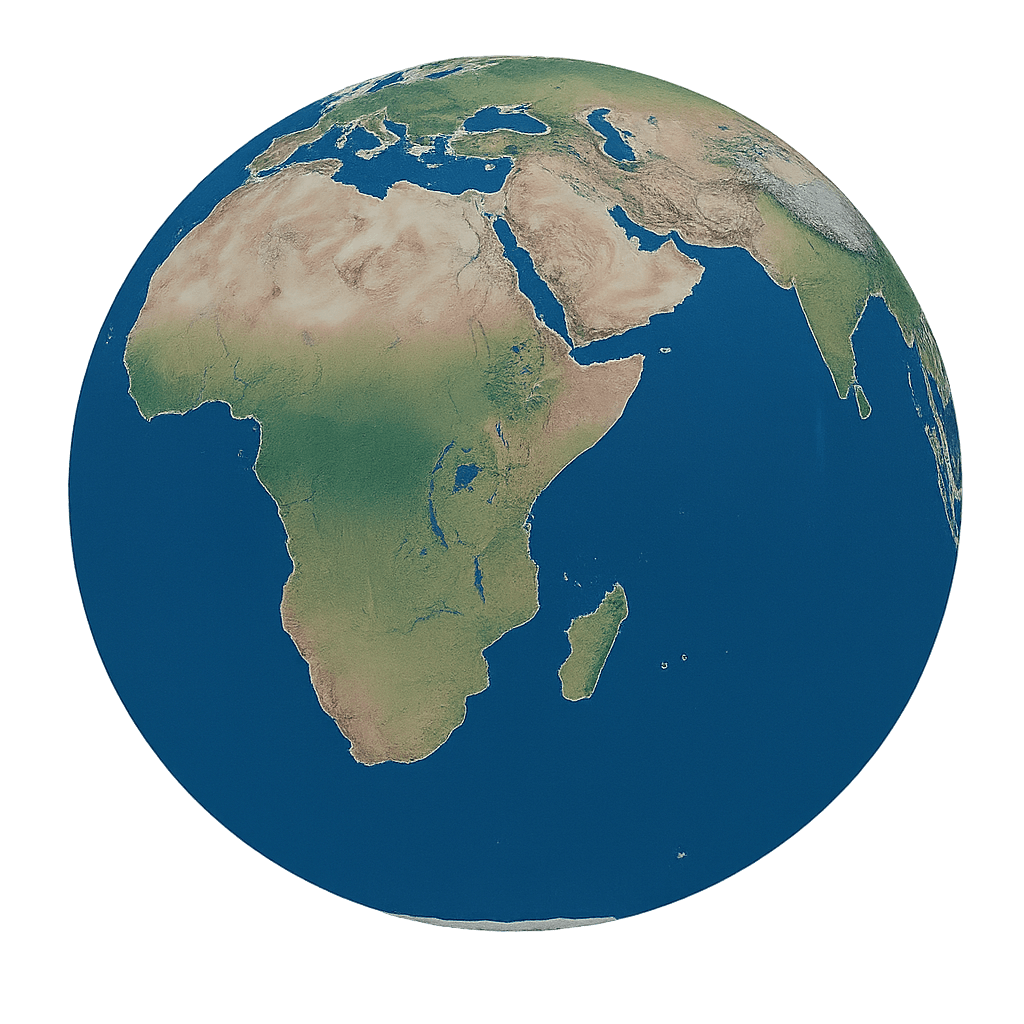
What many communities are experiencing is part of a larger climate reality facing South Sudan and the wider region in East Africa.
Across East Africa, communities are confronting increasingly frequent and severe climate shocks, from prolonged dry spells and droughts to destructive floods. In 2023, El Niño-related heavy rains and flooding affected approximately 451,000 people in South Sudan and more than 5 million people across Eastern Africa, disrupting livelihoods, damaging infrastructure, and increasing humanitarian needs. As climate change continues to amplify weather extremes, communities become increasingly vulnerable to the impacts of climate patterns such as El Niño. In this context, preparedness is no longer optional; it is essential.
One important tool is the Participatory Capacity and Vulnerability Assessment (PCVA) a community-led process that helps people identify local hazards, understand vulnerabilities, and map existing strengths and capacities. Rather than focusing solely on risks, the process encourages communities to analyze what resources, knowledge, and coping mechanisms already exist and how these can be strengthened.
Recent PCVA exercise facilitated by Oxfam in South Sudan with funding from German Federal Ministry for Economic Cooperation and Development BMZ, communities in Wulu and Rumbek Centre, in Lakes State identified prolonged dry spells, drought, flooding, environmental degradation, crop losses and pressure on natural resources among the risks affecting their daily lives. These hazards do not occur in isolation. A failed farming season can reduce household incomes, increase food insecurity, and heighten competition over already limited resources. When floods follow drought, recovery becomes even more difficult.
For 54-year-old farmer Abraham Mabor from Wulu County, the challenge is not simply that hazards occur. It is that they are becoming less predictable.
Legal Disclaimer:
EIN Presswire provides this news content "as is" without warranty of any kind. We do not accept any responsibility or liability for the accuracy, content, images, videos, licenses, completeness, legality, or reliability of the information contained in this article. If you have any complaints or copyright issues related to this article, kindly contact the author above.
